Longhorn Cattle: Rugged and Beautiful
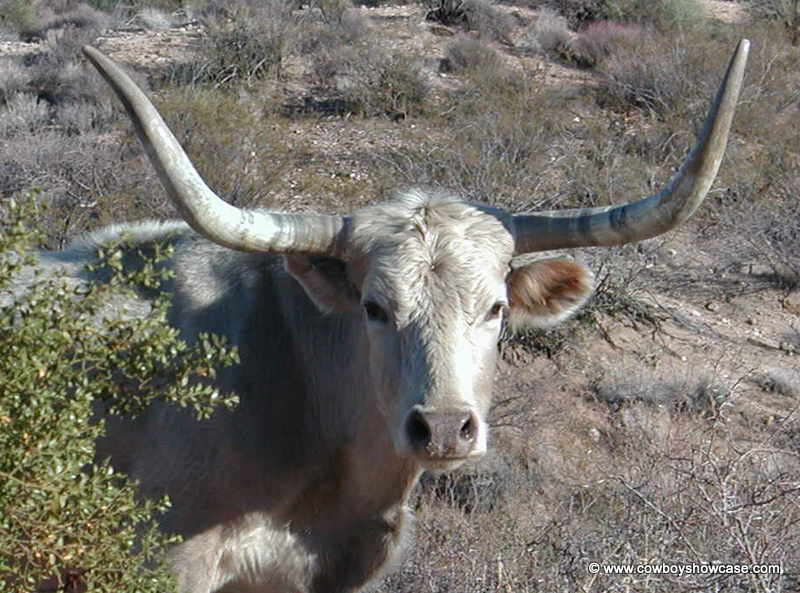
The Texas Longhorns' ancestors came to the Americas from Spain, arriving with Columbus in 1493 at Santa Domingo. In 1521, Gregorio de Villalobos brought the first cattle from Santa Domingo to Mexico. Explorers, settlers and expeditions to establish missions then brought cattle into Texas. These cattle mingled with cattle lost or abandoned by settlers, or scattered by Indians, and propagated on their own without benefit of man. These animals survived by their own ingenuity - developing through the years the traits of hardiness, endurance, disease resistance, longevity, fertility and the ability to utilize whatever browse was available.
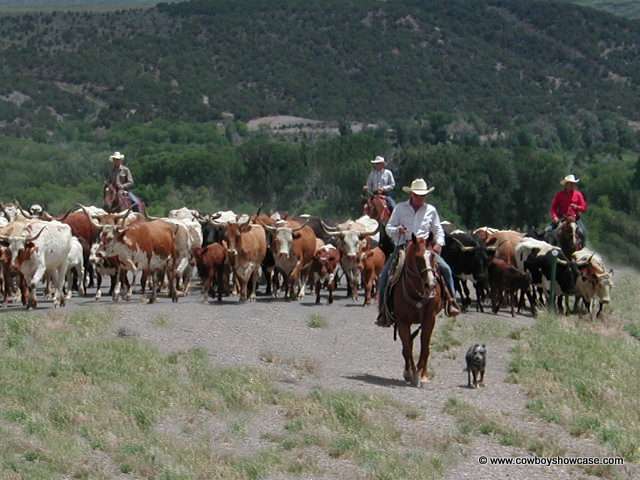
After the Civil War, the Texas Longhorn became the financial salvation of the Southwest. Men returning home from the war found that a ready source of income was the thousands of Texas Longhorns wandering freely. The cattle were worth next to nothing in Texas, but in good demand by the residents in the North. Between 1866 and 1895, an estimated 10 million Texas cattle were trailed to northern markets in the famed cattle drives, bringing in the staggering sum of 200 million dollars. In the late 1800s, the hardy Texas Longhorn met with an influence his natural instincts couldn't fight. The open ranges were fenced and other beef breeds were imported from Europe. The number of Texas Longhorns dwindled until they approached extinction. The U.S. government appropriated $3,000 in 1927 to acquire a herd of the old-time cattle. U.S. Forest Service employees made a 5,000 mile trip through South Texas and Old Mexico, and located 23 head for foundation stock to establish the federal herd at the Wichita Mountains National Wildlife Refuge in Cache, Oklahoma.
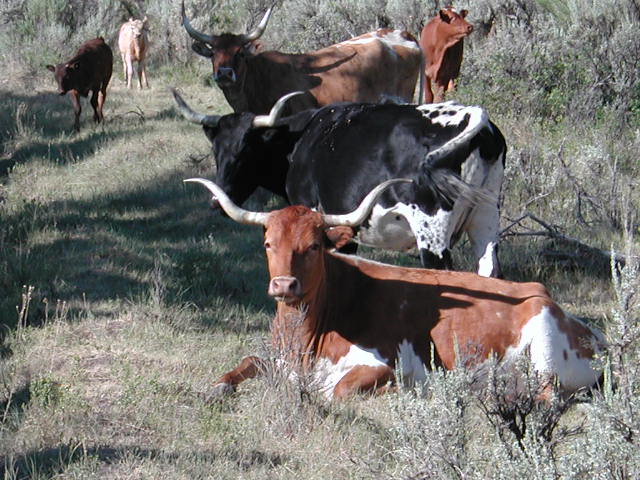
Through the years, interest in the Texas Longhorns increased, and in 1964, concerned breeders organized the Texas Longhorn Breeders Association of America, now headquartered in Fort Worth, Texas. Today through the efforts of those breeders, nearly 250,000 head of Texas Longhorn cattle have been registered.
The Texas Longhorn is making a major come back in today's beef industry. The same characteristics that the Texas Longhorn developed through the years of neglect are in demand by the cattleman of the twentieth century. Longhorns are valued for their calving ease, fertility, disease resistance, and longevity. Texas Longhorn cows can calve well into their teens, and more calves mean more profit to today's livestock industry. The breed is adaptable to any climate, doing well in the hot humid climate of the Florida coast to the cold winters of the northern United States and Canada. It also forages on minimum pasture. 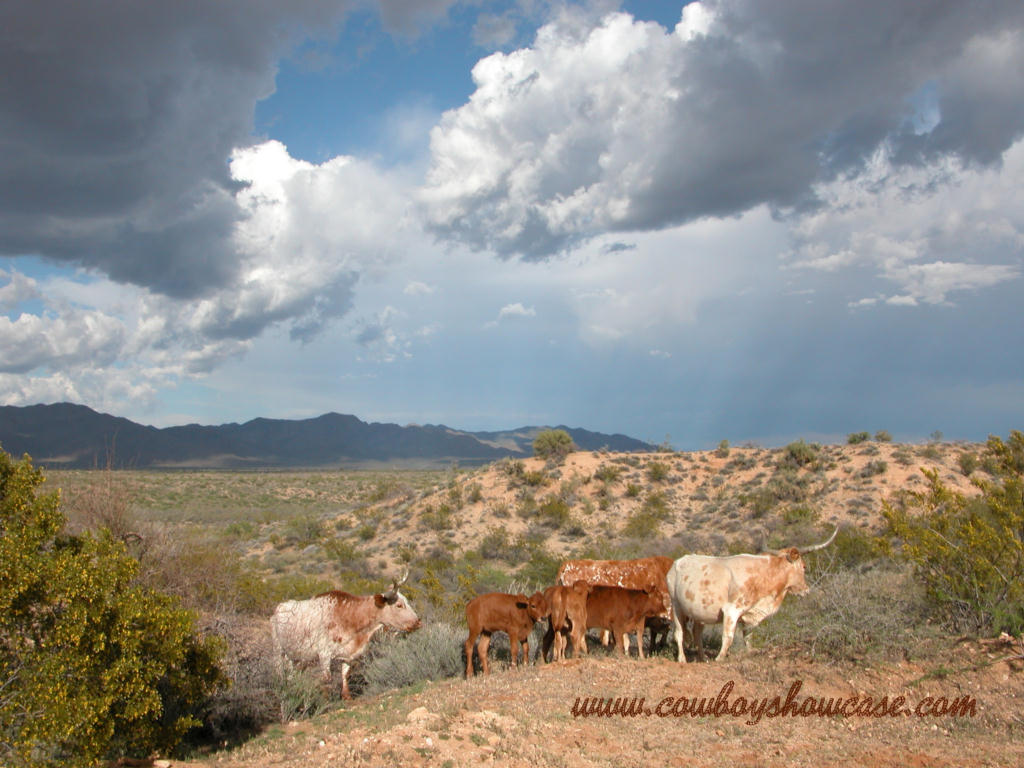
Longhorns work extremely well in crossbreeding programs. Crossbreeds are being developed to take full advantage of the breed's best characteristics. Longhorns are being crossed with Mexican corrientes for roping cattle. The Texas Longhorn genetics are in demand in today's beef market for the lean meat they provide. With the public's concern today about fat in the diet, this breed of cattle can provide naturally lean beef. Research from Texas A&M University has shown that Texas longhorn steaks ( Longhorn Lean) have about 30% less muscle fat
Contrary to the wild stampedes seen on television, the Texas Longhorn is a very docile and easy to work with. Men and women can work the cattle on foot as well as horseback, and show long horned cattle in the show ring. Once the animals become accustomed to being driven or worked, they are very tractable. 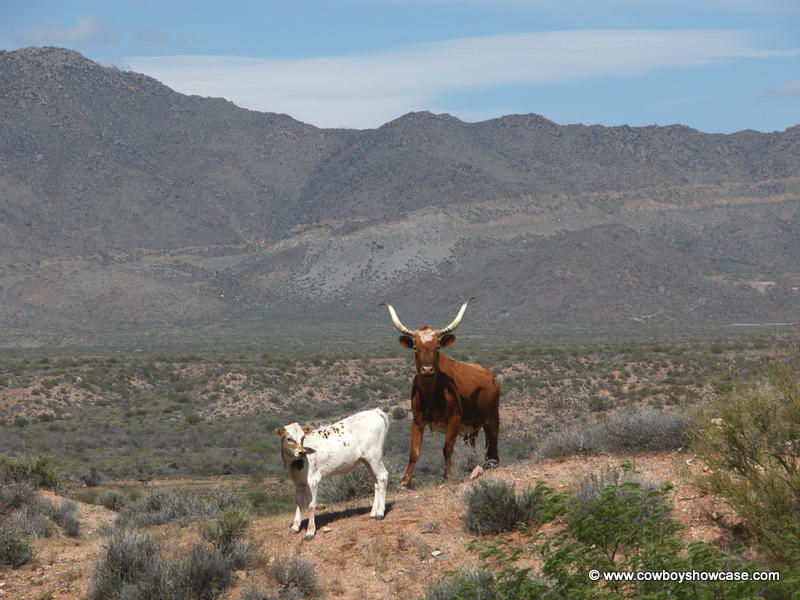
The longhorn has proven itself to be beautiful, rugged, and useful in the modern day western world.
|
|

